What is the importance of edge banding in furniture design?
1. Protection and Durability:
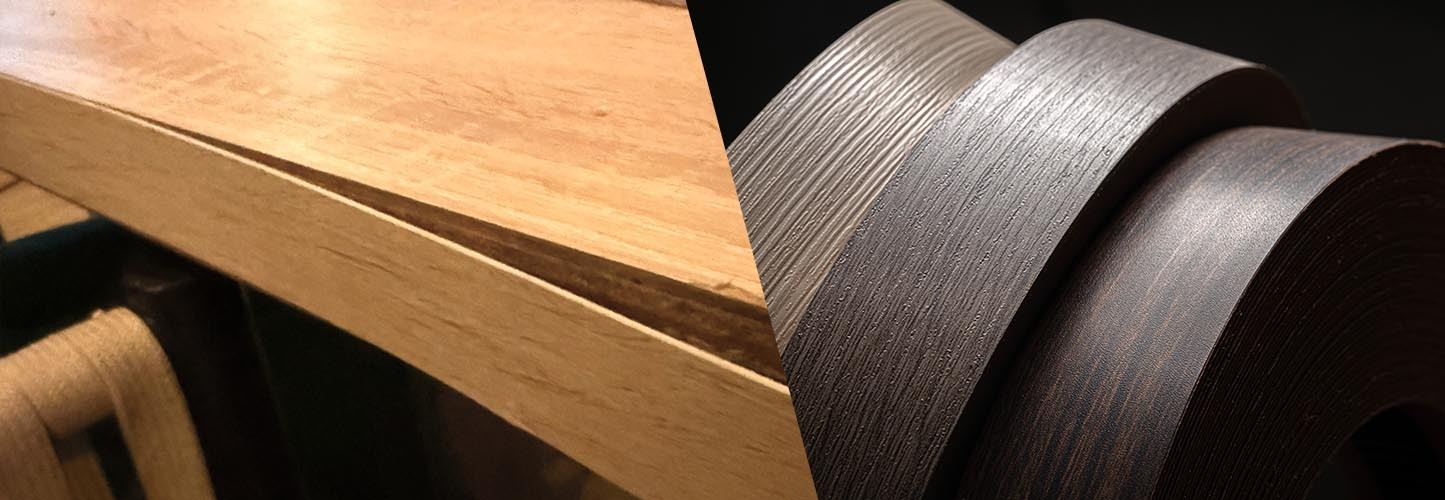
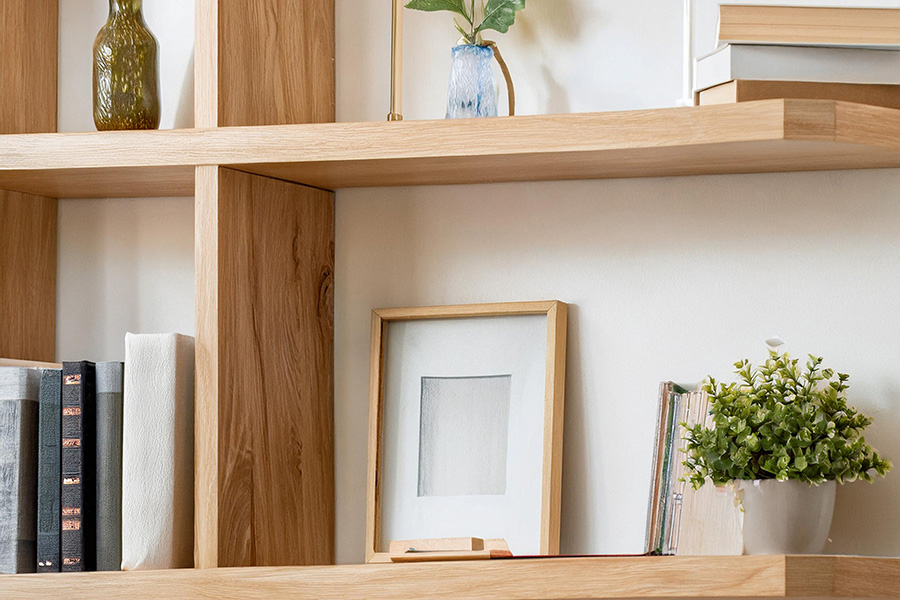
One of the most sensitive areas of furniture is its edges. They are particularly vulnerable to impacts, scratches, and wear caused by daily use. Edgebanding acts like a shield against these negative effects, increasing the durability of the furniture component.
2. Visual Completeness:
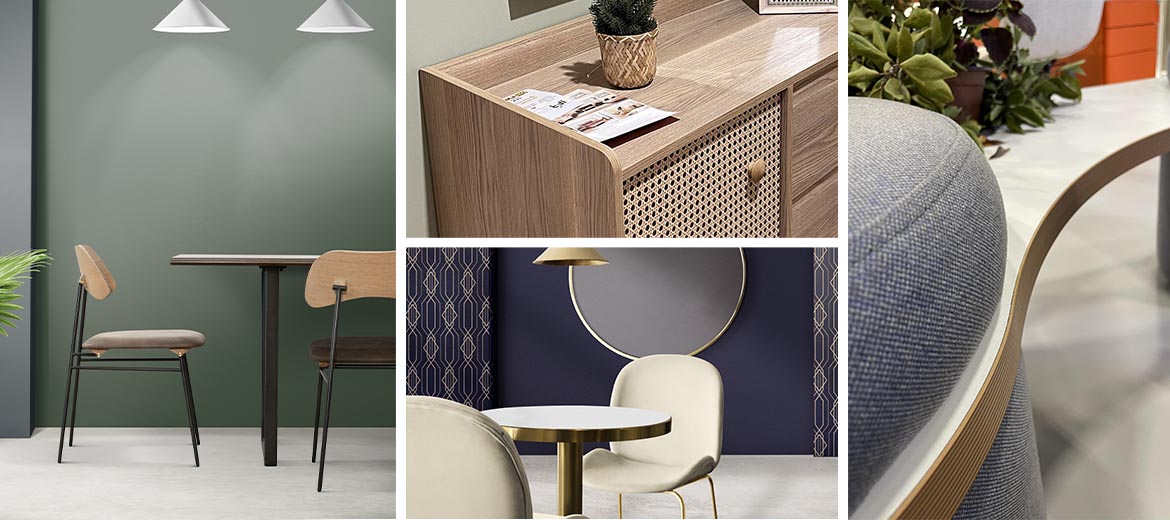
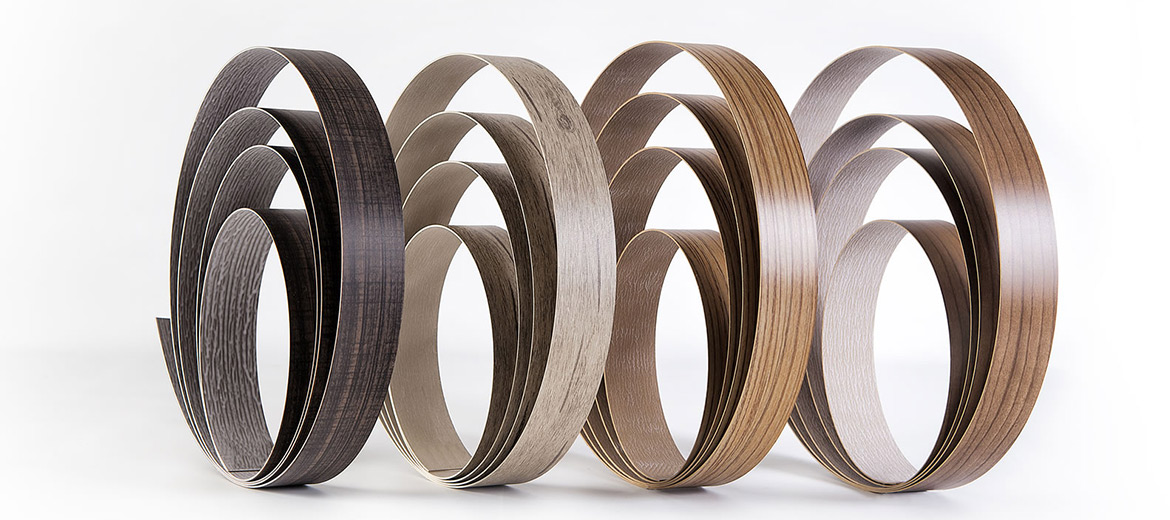
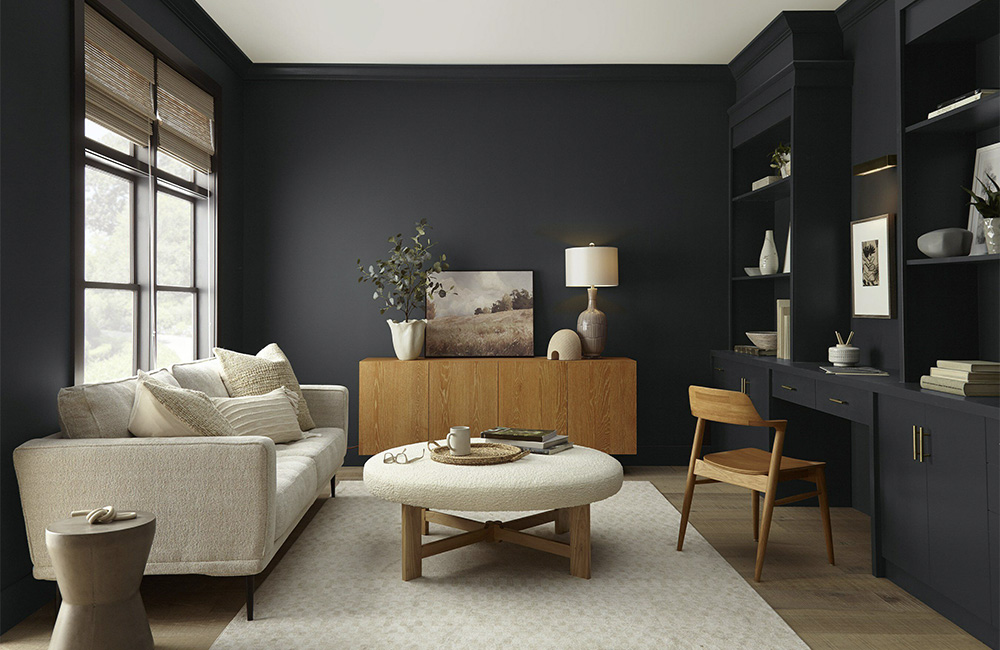
Edgebanding not only provides durability but also completes the overall aesthetics of the furniture. An edgeband chosen with the right color, pattern, and texture highlights the style of the furniture and enhances the integrity of the design. This simple detail ensures that the furniture has a professional and attractive appearance.
3. Material Compatibility:
The selection of edgebanding should be compatible with the main material of the furniture. The right choice of color and texture preserves the design language of the furniture while ensuring a cohesive and unified look.
4. Easy Maintenance:
Edgebanding also makes cleaning and maintenance easier. The areas where edgebanding is applied have smooth surfaces, making cleaning processes more practical. This ensures that the furniture has a long lifespan and always maintains a new appearance.
In conclusion, edgebanding is an integral part of furniture design. This detail, important in terms of both durability and aesthetics, ensures that furniture components are long-lasting and visually appealing. By selecting the right edgebanding during the design process, designers can ultimately achieve the perfect balance.